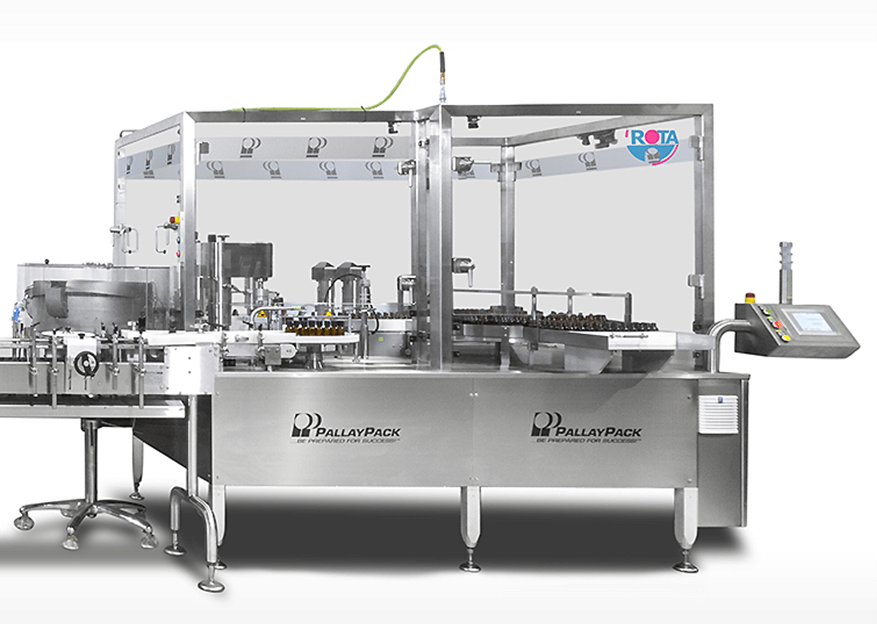
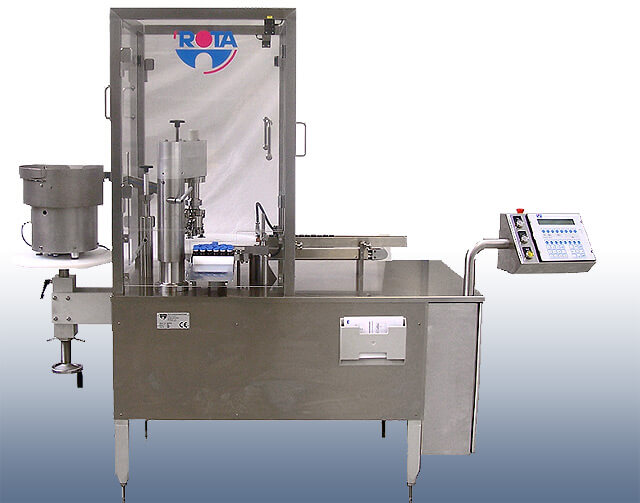
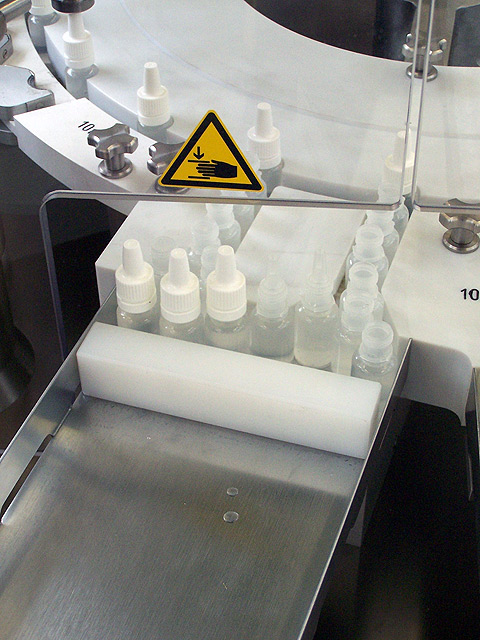
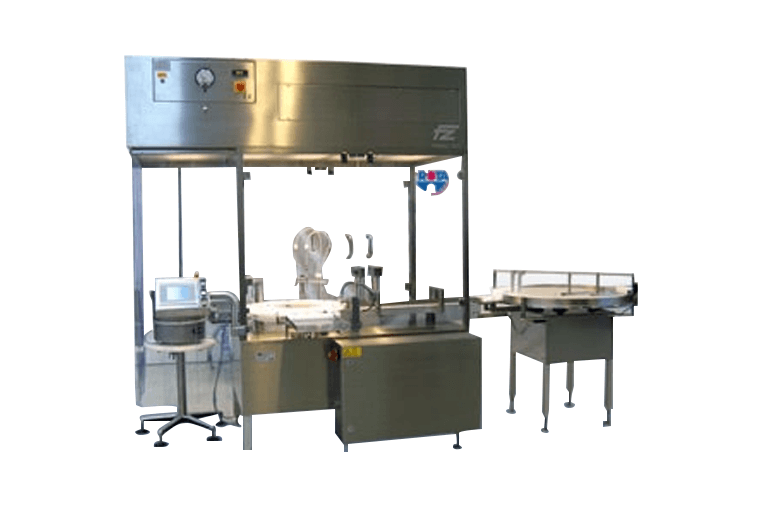
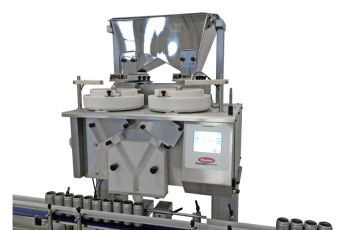
ROTA’s FLR Pharmaceutical Vial Filler Machines can be configured to fill, insert a stopper or plug, crimp cap, or screw cap depending on the application. These efficient solutions offer versatile dosing options, prevent waste, and accommodate various vial filling and closing methods to ensure precise and profitable operations for your pharmaceutical needs.
Benefits
Vial packaging machine models range from single fill to dual filling options with outputs of up to 300 vials per minute, accommodating vial sizes from 2ml to 100ml. Perfect aseptic filling machine to handle diagnostic products and reagents.
Features
A maximum diameter of 52mm and a maximum height of 100mm.
Versatile dosing options using seal-less rotary piston pumps made of hygienic 316L stainless steel or ceramic to ensure precise and accurate filling.
Sterile and aseptic vial filling.
“No vial, No filling” and “No stopper/dropper, No cap” sensors to prevent costly waste and enhance production efficiency.
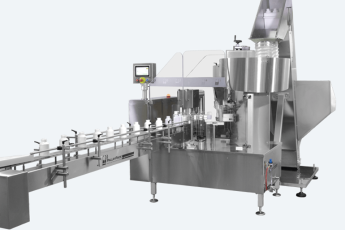
Designed for various filling and closing methods, including rubber stoppers, vial crimping, alu-caps, screw caps, and more.
Suitable for filling any liquid, under both sterile and non-sterile conditions.
Standard features include 1 to 2 fill heads, auto-closure infeed, inline cap pickup, auto cap torquing, and single indexing.
Equipped with change parts for one vial size, one stopper/dropper size, and one cap size, to ensure adaptability for different production needs.
Boost your profitability and reduce waste with our high-performance vial filler machines.
“Lorem ipsum dolor sit amet, consectetur adipiscing elit, sed do eiusmod tempor incididunt ut labore et dolore magna aliqua. Ut enim ad minim veniam, quis nostrud exercitation ullamco laboris nisi ut aliquip ex ea commodo consequat. Duis aute irure dolor in reprehenderit in voluptate velit esse cillum dolore eu fugiat nulla pariatur. Excepteur sint occaecat cupidatat non proident, sunt in culpa qui officia deserunt mollit anim id est laborum.”
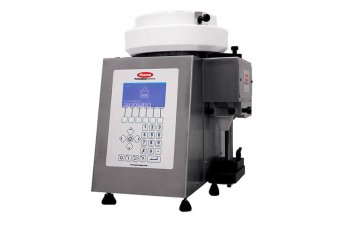
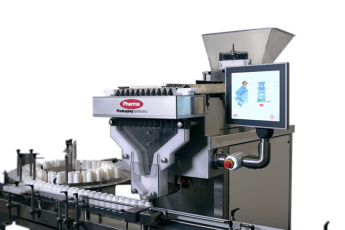
No change parts counter suitable for tablets, capsules, soft gels, and pills. Available with a small hopper for the bulk product. An accurate count is automatically dosed into individual containers. All contact parts are removed without tools for cleaning. Simple set up and count adjustment.
The PPS VitaCount is an affordable and automated solution designed for tablets, soft gels, caplets, capsules, and pills. This counter combines our proven product feed technology with electronic controls and infrared count heads as used on our larger counters. The VitaCount has been optimized for applications where large products make up the vast majority of the production.
The PharmaCount 2-2 is the latest evolution in low volume electronic tablet counting. Available in semi-automatic and automatic configurations, this electronic counting system is counts and fills pills into bottles with reliability and high accuracy at speeds of up to 2,500 tablets per minute. Designed with the industry in mind, this automatic pill counter virtually eliminates problems with miscounts and jamming due to its state-of-the-art vision system.